
A man wearing sunglasses, a black jacket, gloves, and a cap is running on a dirt path through a dry, open landscape with hills in the background under a clear blue sky.

Tactical Jackets

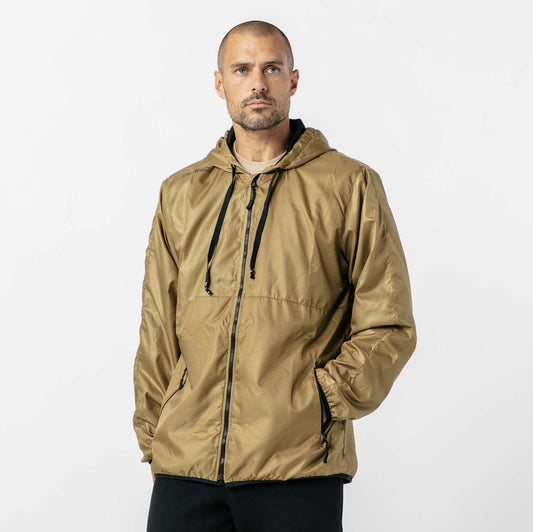
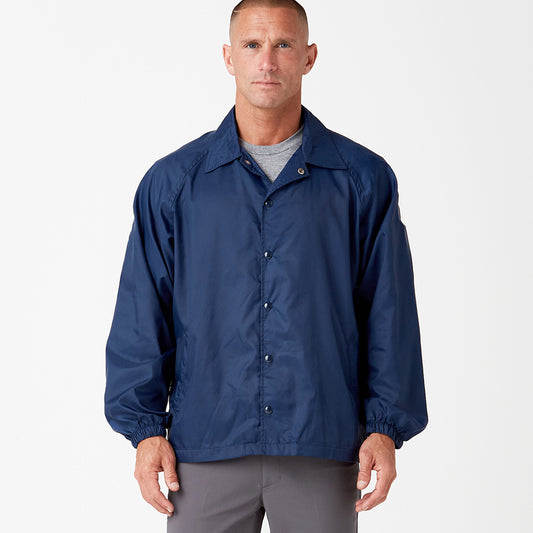
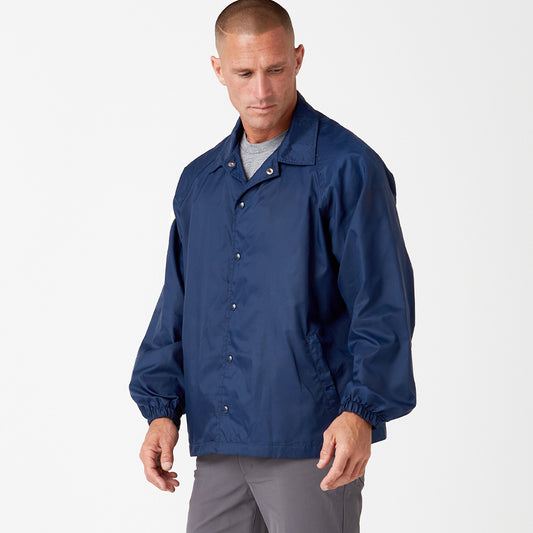
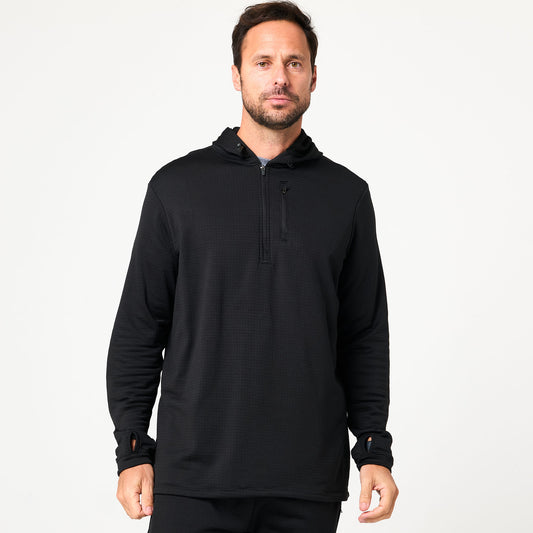
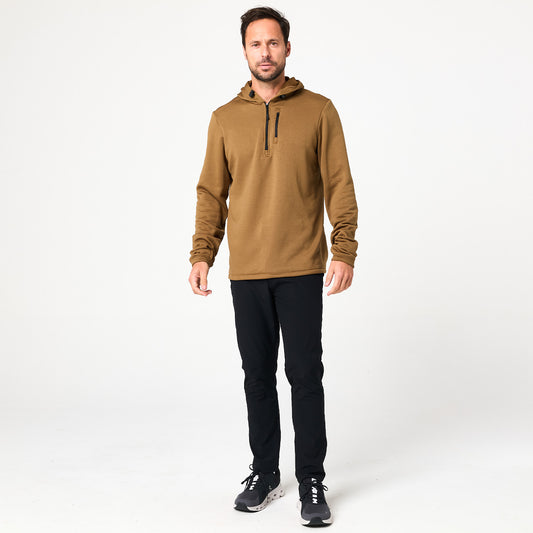
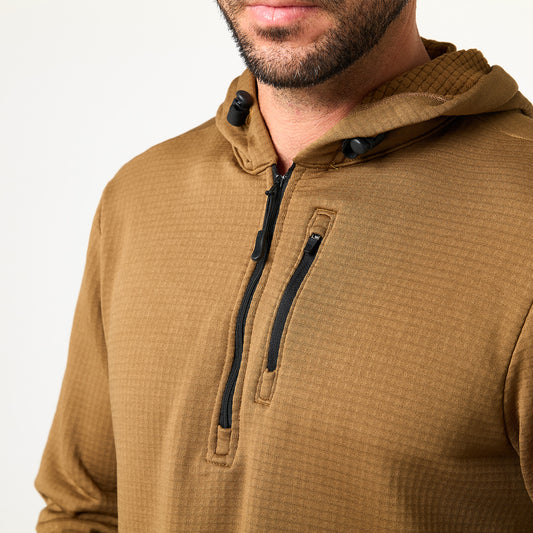
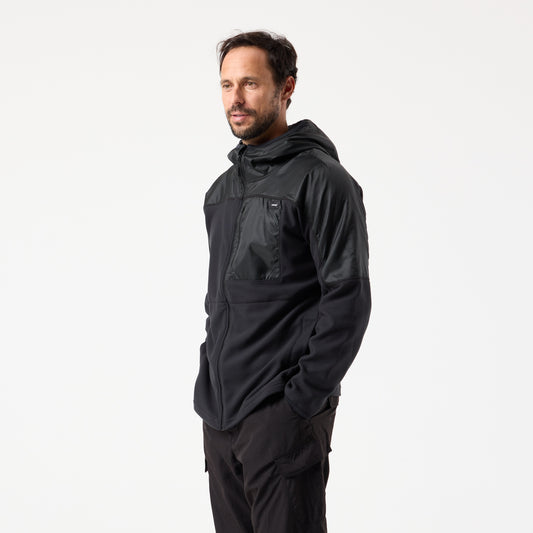
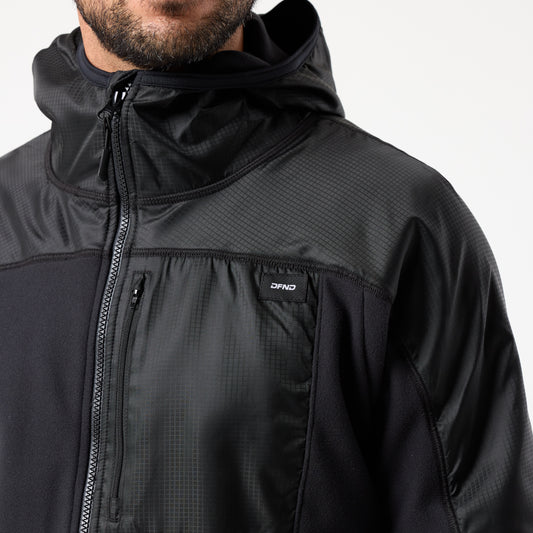
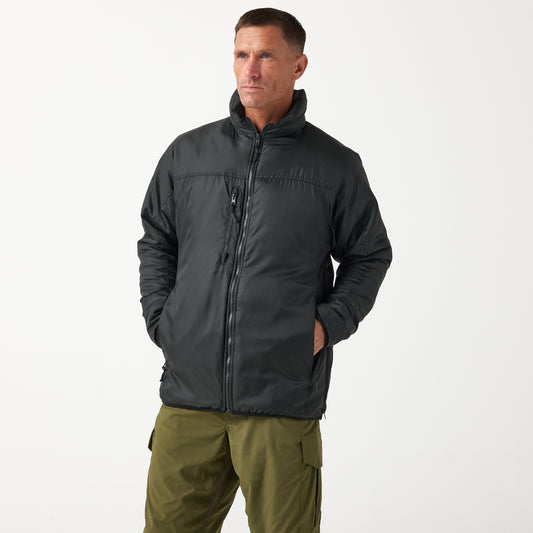
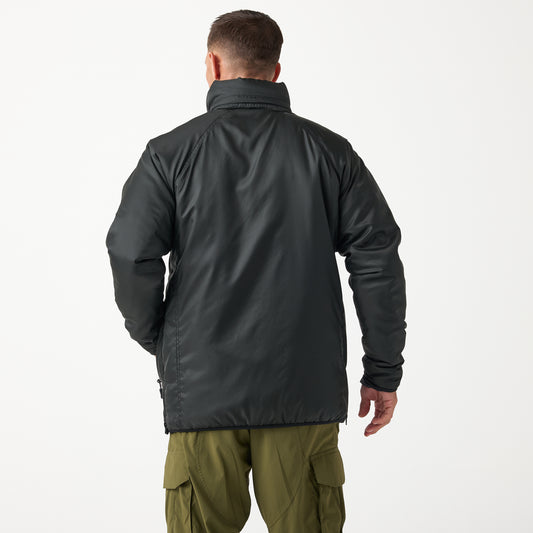
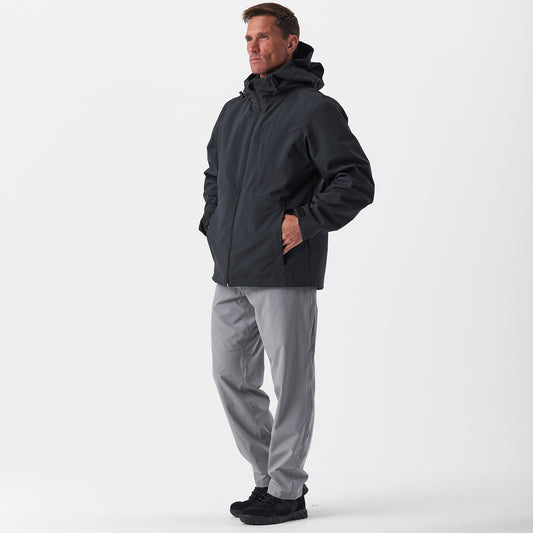
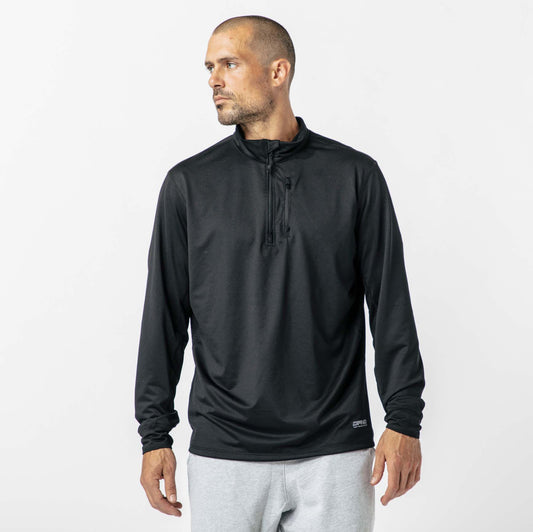
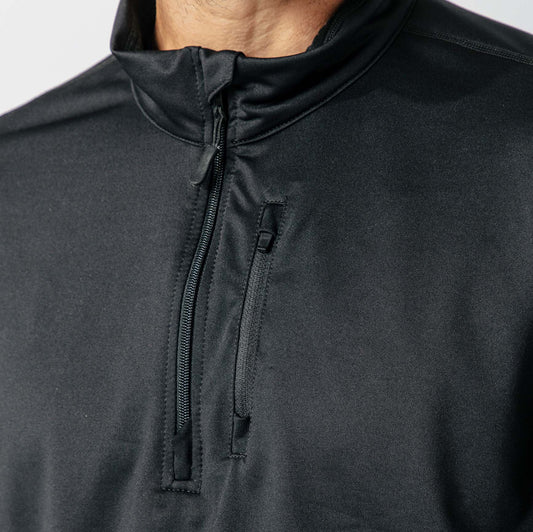
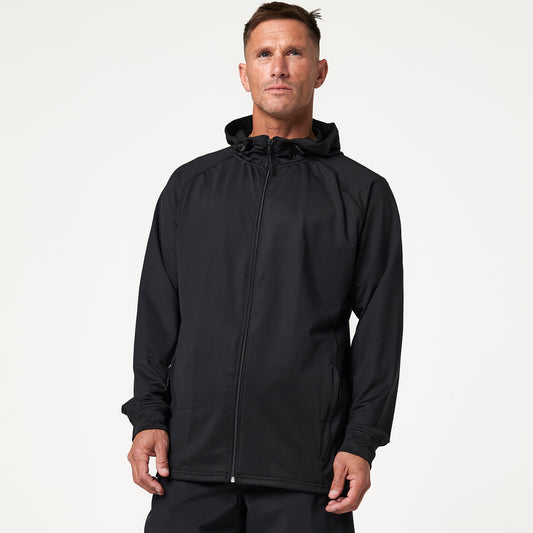
DFND tactical jackets are built as performance outerwear for people who need more from a jacket than casual comfort or street styling. In this collection, “tactical” means a cleaner, more useful approach to design—jackets that support movement, handle changing weather, and hold up through repeated wear. That makes them a strong fit for training, outdoor work, travel, field use, and everyday routines where you want more mobility and weather coverage than a basic casual jacket.
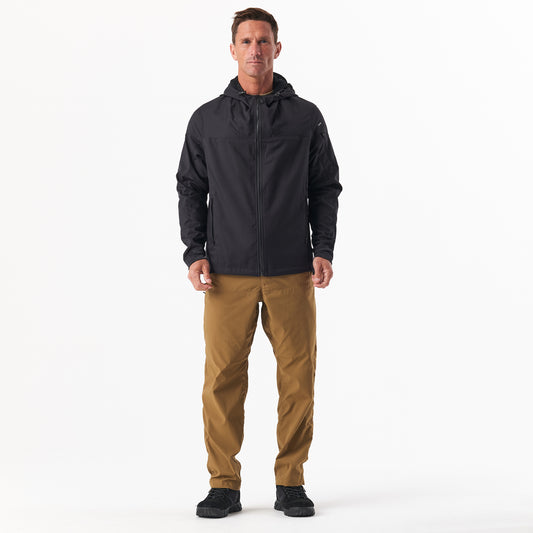
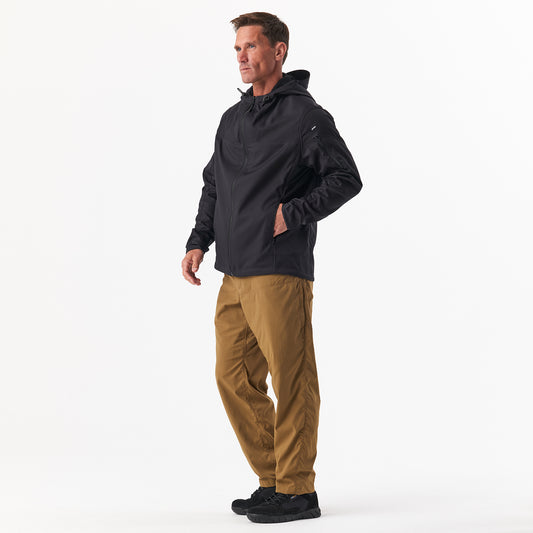
14 products

FREQUENTLY ASKED QUESTIONS

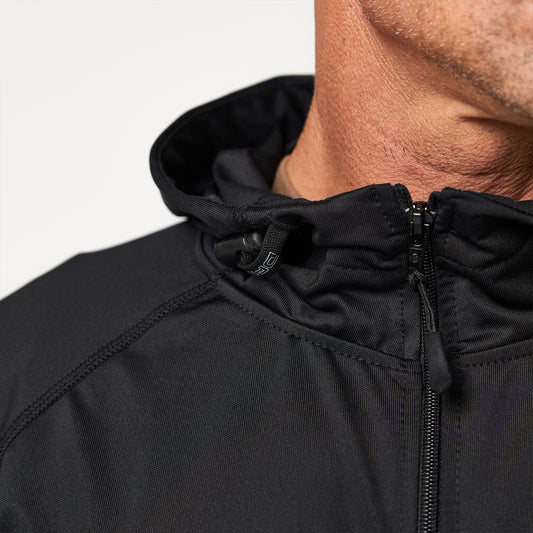
A tactical jacket is built with utility in mind first. Compared with a regular jacket, it usually puts more focus on mobility, weather protection, durability, and storage that supports active use. In DFND’s lineup, that can mean DWR-treated shells, articulated construction, stretch zones, insulated options, and pocket layouts that are useful without becoming excessive. The goal is not aggressive styling. The goal is better function in motion.

Yes, many of them are well suited to everyday wear. The lighter styles work well as an everyday tactical jacket because they are easier to move in and do not look overly bulky or theatrical. That’s important if you want something that can handle a commute, outdoor errands, range time, or light training without needing a wardrobe change. 

Some models lean more toward insulated outerwear, while others feel closer to streamlined performance layers. The collection works best when you match the jacket to your daily conditions instead of treating every style the same.

Warmth depends on the model. Some jackets in the collection are made for light weather coverage and mobility, while others are built for staying warm in colder conditions with insulated construction. That means we offer both lighter outer layers and true cold weather tactical jacket options. 

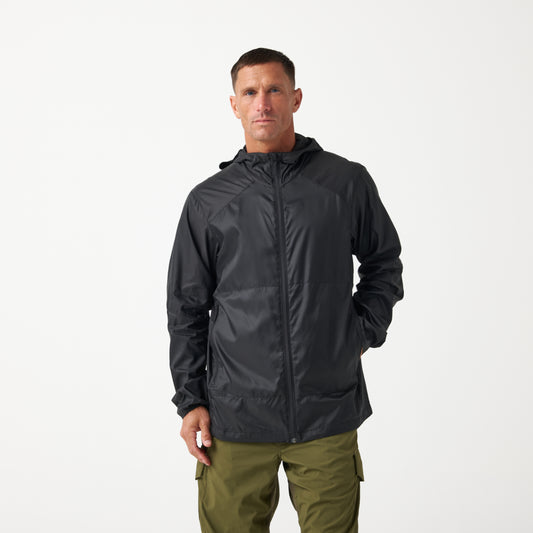
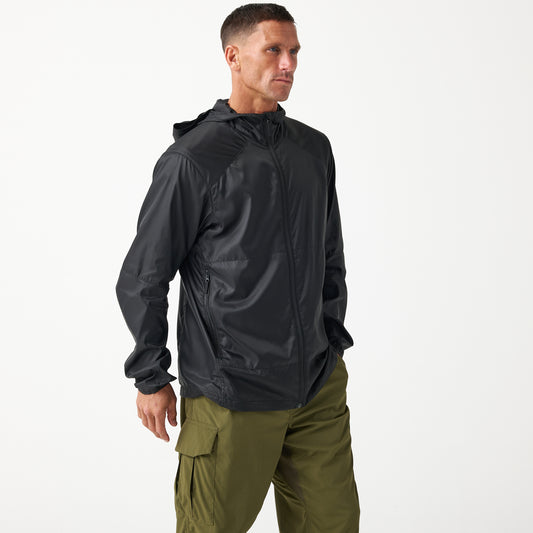
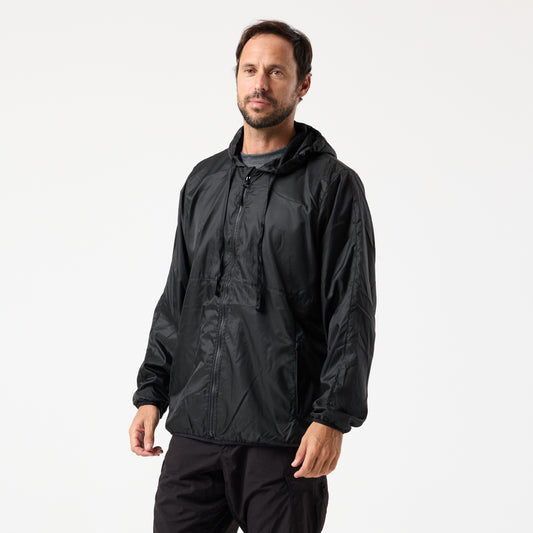
If you run hot, train outdoors, or need a shell for variable weather, a lighter piece like the Halo Windbreaker may be enough. If you expect extended exposure to cold weather, an insulated jacket or vest will make more sense, especially when paired with a base or midlayer.

Yes, layering is one of the main reasons performance tactical jackets stand apart from standard outerwear. Several DFND styles are cut and built to work over training layers, thermal pieces, or lighter base garments without becoming restrictive. That gives you more control across changing temperatures and activity levels. 

A jacket that layers well is often more useful than one thick coat because it lets you adapt to cold weather, wind, and changing output. This is especially helpful for days that start cold but warm up later.

Some are weather-resistant, and some offer more serious protection. In practical terms, many of our jackets use DWR-treated fabrics that help shed light rain, wind, and surface moisture. A few models provide stronger wet-weather protection—for example, the Assault Jacket is designed as a waterproof shell for rain and cold conditions. But not every jacket in the collection should be treated as fully weatherproof. 

The best approach is to think in use cases: a lightweight tactical jacket for shifting conditions, or a more protective shell when exposure is likely to be longer or more severe.

A good tactical jacket should not restrict movement, and we design around that issue. Several of our jackets use articulated shaping, stretch materials, knit or grid panels, raglan-style construction, or other mobility-driven details that help the jacket move with you. That’s useful in outdoor activities where stiff outerwear becomes annoying fast.